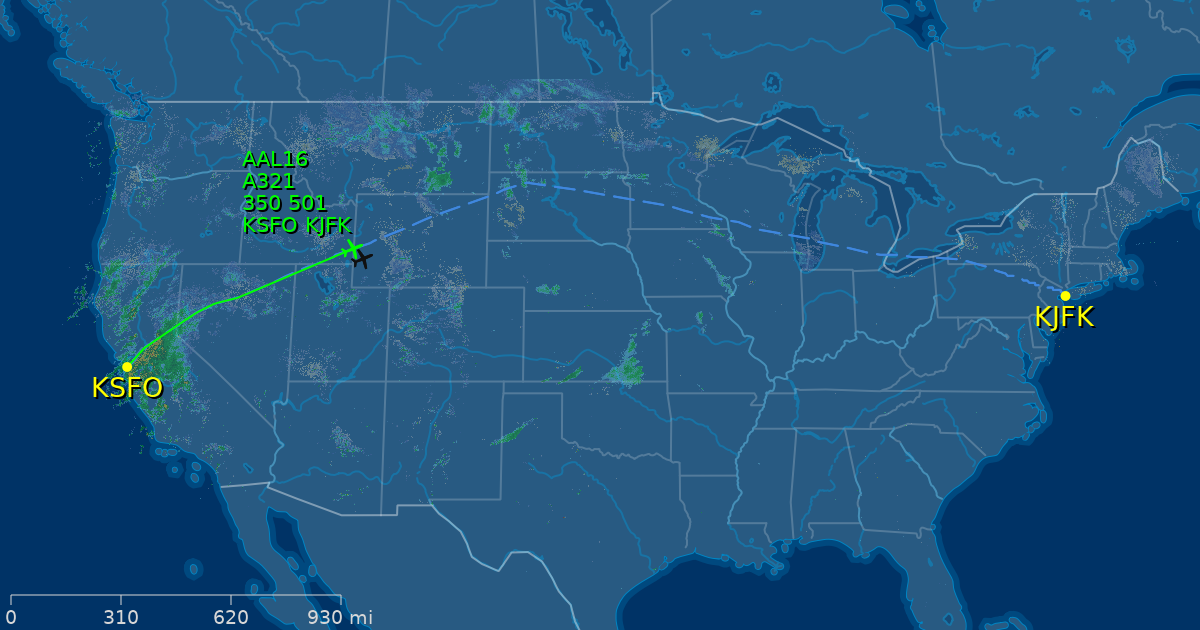
AA16 On-Time Performance: Analyzing SFO to JFK Flight Reliability
When planning a transcontinental journey, especially one connecting two major U.S. hubs like San Francisco (SFO) and New York (JFK), understanding your flight's reliability is paramount. American Airlines flight
AA16 is a frequent connection on this bustling route, ferrying countless passengers across the country. For travelers, business professionals, and anyone with tight schedules or connecting flights, the on-time performance of AA16 isn't just a number – it’s a critical factor influencing their entire travel experience. This article delves into the specifics of AA16, examining its schedule, typical operational patterns, and its overall reliability based on recent historical data, offering insights and practical advice for a smoother journey.
Understanding AA16: The SFO-JFK Connection
American Airlines flight
AA16 serves as a vital link between the West Coast and the East Coast of the United States. Originating from San Francisco International Airport (SFO) and arriving at New York's John F. Kennedy International Airport (JFK), this route spans a significant distance of approximately 4152 kilometers (2580 miles). The average flight duration for AA16 is typically around 4 hours and 44 minutes, though some schedules suggest slightly longer estimates up to 4 hours and 53 minutes. The aircraft most frequently deployed for this route is the Airbus A321-231, also known by its type code 32B, a workhorse of American Airlines' domestic fleet, known for its efficiency and passenger comfort on medium to long-haul routes.
AA16 operates with considerable frequency, offering six flights per week, typically running on Monday, Tuesday, Wednesday, Thursday, Friday, and Sunday. This consistent schedule makes it a popular choice for both business travelers seeking to maximize their week and leisure passengers looking for convenient weekend travel options.
For those navigating the airports, AA16 typically departs from Terminal 1, Gate 14 at SFO. Upon arrival at JFK, passengers can expect to disembark at Terminal 8, Gate 37. Knowing these terminal and gate assignments in advance can significantly streamline your airport experience, especially in busy hubs like SFO and JFK. While these details generally hold true, it's always advisable to confirm your specific flight details closer to your departure date, as gate assignments can occasionally change. For the latest updates and real-time tracking, you can refer to resources like the
AA16 Flight Status: Live Tracker for American Airlines SFO to JFK.
The flight's schedule can vary slightly depending on the specific date. For instance, some observed schedules for AA16 indicate an evening departure around 20:00 (8:00 PM PST) with an arrival around 01:38 (1:38 AM EST) the following day. Other instances show a midday departure around 12:00 PM PST, arriving in the evening around 8:00 PM EST. This variation underscores the importance of checking your exact flight times.
A Deep Dive into AA16's On-Time Performance (OTP)
When evaluating the reliability of American Airlines flight
AA16, its On-Time Performance (OTP) rating offers a comprehensive overview. According to Airportia, AA16 boasts an impressive OTP rating of 4.8 out of 5 stars, calculated based on data from the past 10 flights. This high rating suggests a strong track record of punctuality, placing AA16 among the more reliable options for the SFO-JFK route.
However, a high overall rating doesn't necessarily mean zero delays. The aviation industry defines "on-time" with a small buffer, typically within 15 minutes of the scheduled arrival or departure time. While AA16 maintains a stellar average, specific instances can provide a more nuanced picture. For example, historical data indicates that on February 17th, 2026, AA16 experienced an average delay of 12 minutes. On this particular day, the scheduled departure was 12:00 PM, with an arrival at 20:38 PM. However, the revised departure was 12:57 PM, leading to a revised arrival of 20:50 PM. This shows that even highly rated flights can encounter minor operational adjustments.
Several factors contribute to flight delays on a transcontinental route like SFO-JFK:
- Weather Conditions: Both San Francisco and New York are susceptible to various weather phenomena, from fog in SFO to snowstorms or thunderstorms in JFK, which can impact both departures and arrivals.
- Air Traffic Control (ATC) Congestion: JFK is one of the busiest airports in the world. High traffic volumes, especially during peak travel times, can lead to ground holds or airborne delays.
- Operational Issues: These can include anything from minor mechanical checks requiring extra time to crew availability or issues with gate availability at the arrival airport.
- Late-Arriving Aircraft: If the aircraft assigned to AA16 is arriving late from a previous flight, it can cause a cascading delay.
- Passenger Boarding: While less common for significant delays, slow boarding processes can occasionally contribute to minor departure delays.
Given these potential variables, an average delay of 12 minutes on an otherwise highly-rated flight is often considered within acceptable operational parameters for a long-haul domestic route. The 4.8/5 star rating strongly suggests that American Airlines effectively manages and mitigates these challenges most of the time, minimizing disruption for AA16 passengers.
Decoding AA16 Schedules and Operational Nuances
A closer look at the reference data reveals two distinct scheduling patterns for American Airlines flight
AA16. One set of dates, such as February 20-25, 2026, consistently lists a scheduled departure of 20:00 (8:00 PM PST) from SFO, with an anticipated arrival at 01:38 (1:38 AM EST) at JFK. This represents a red-eye or late-night service, allowing passengers to travel overnight and arrive early the next morning.
In contrast, other data points, specifically for February 13th and February 17th, 2026, indicate a daytime departure around 12:00 PM (noon PST) from SFO, with an arrival around 20:14 (8:14 PM EST) or 20:38 (8:38 PM EST) at JFK. This suggests that AA16 might operate different schedules on different days of the week or perhaps sees seasonal adjustments to its timetable. Such variations are common in airline operations, designed to cater to different passenger demands and optimize aircraft utilization.
The consistency of the aircraft type, an Airbus A321 (32B), across various observed dates is a positive sign. Using the same aircraft model for a specific route often indicates streamlined maintenance, crew training, and familiarity with the aircraft's performance characteristics, which can contribute to overall operational efficiency.
For travelers, understanding these potential schedule differences is key. Always double-check your flight details for your specific travel date, as a flight listed as "AA16" could have a significantly different departure time depending on the day. For more in-depth information about the aircraft, terminals, and typical flight duration, you might find our
American Airlines AA16 Guide: SFO-JFK Terminals, Duration & Aircraft a helpful resource.
Tips for AA16 Passengers: Maximizing Your Travel Experience
Even with a high on-time performance rating, being prepared is always the best strategy for air travel. Here are some actionable tips for those flying on
AA16 or any other long-haul flight:
- Monitor Flight Status Regularly: Use the American Airlines app, Flightradar24, or other flight tracker websites to keep an eye on your specific AA16 flight status in the 24-48 hours leading up to your departure. Real-time updates can inform you of any delays or gate changes.
- Arrive Early: Especially for transcontinental flights departing from busy airports like SFO, arriving with ample time for check-in, security, and potential gate changes can alleviate stress.
- Pack Essentials in Your Carry-On: In the rare event of a significant delay or diversion, having essentials like medications, important documents, chargers, and a change of clothes in your carry-on can be a lifesaver.
- Consider Connecting Flights Wisely: If you have a connecting flight from JFK, factor in the potential for minor delays. A 1-hour connection might feel tight if your AA16 flight arrives 30 minutes behind schedule. Aim for a connection time of at least 2-3 hours to build in a buffer.
- Stay Informed on Board: Pay attention to announcements from the flight crew regarding estimated arrival times or any potential ground holds at JFK.
- Utilize Terminal Information: Knowing that AA16 typically departs from SFO Terminal 1 and arrives at JFK Terminal 8 (which is American Airlines' hub at JFK) can help you navigate more efficiently, especially if you need to find amenities or connecting flights.
- Prepare for Time Zone Changes: Flying from PST to EST means gaining three hours. Adjust your sleep schedule slightly before your flight to minimize jet lag upon arrival. A late-night AA16 arrival means you'll hit JFK in the early morning hours, so plan your ground transportation and first day's activities accordingly.
Conclusion
American Airlines flight
AA16 between San Francisco (SFO) and New York (JFK) stands out as a generally reliable option for transcontinental travel, backed by an impressive 4.8/5-star on-time performance rating. While occasional minor delays, as observed in specific instances, are an inherent part of air travel due to various operational and external factors, AA16 demonstrates a strong commitment to punctuality. By understanding its operational patterns, typical schedules, and utilizing available flight tracking tools, passengers can confidently plan their journeys and mitigate potential travel disruptions, ensuring a smoother and more predictable experience on this popular SFO-JFK route.